Too often, conversations about skills training move forward without the voices of workers and learners at the center. Over the last two years, we set out to change that by creating space for them to shape this work alongside us. As national conversations about skills training and jobs continue to grow, it’s important that the people most affected by these systems help shape the solutions. That commitment led to the creation of our first Student Advisory Council.
Our goal was to put workers and learners at the center of policymaking and advocacy in the same way we already work with businesses, community colleges, state partners, and other advocates. We wanted them to be recognized as full partners and collaborators in our network – partners whose lived experiences shape our understanding of what’s working and what isn’t.
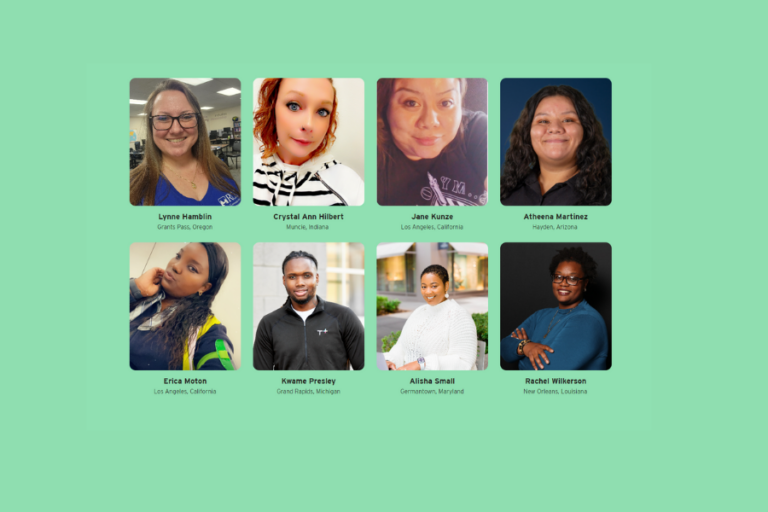
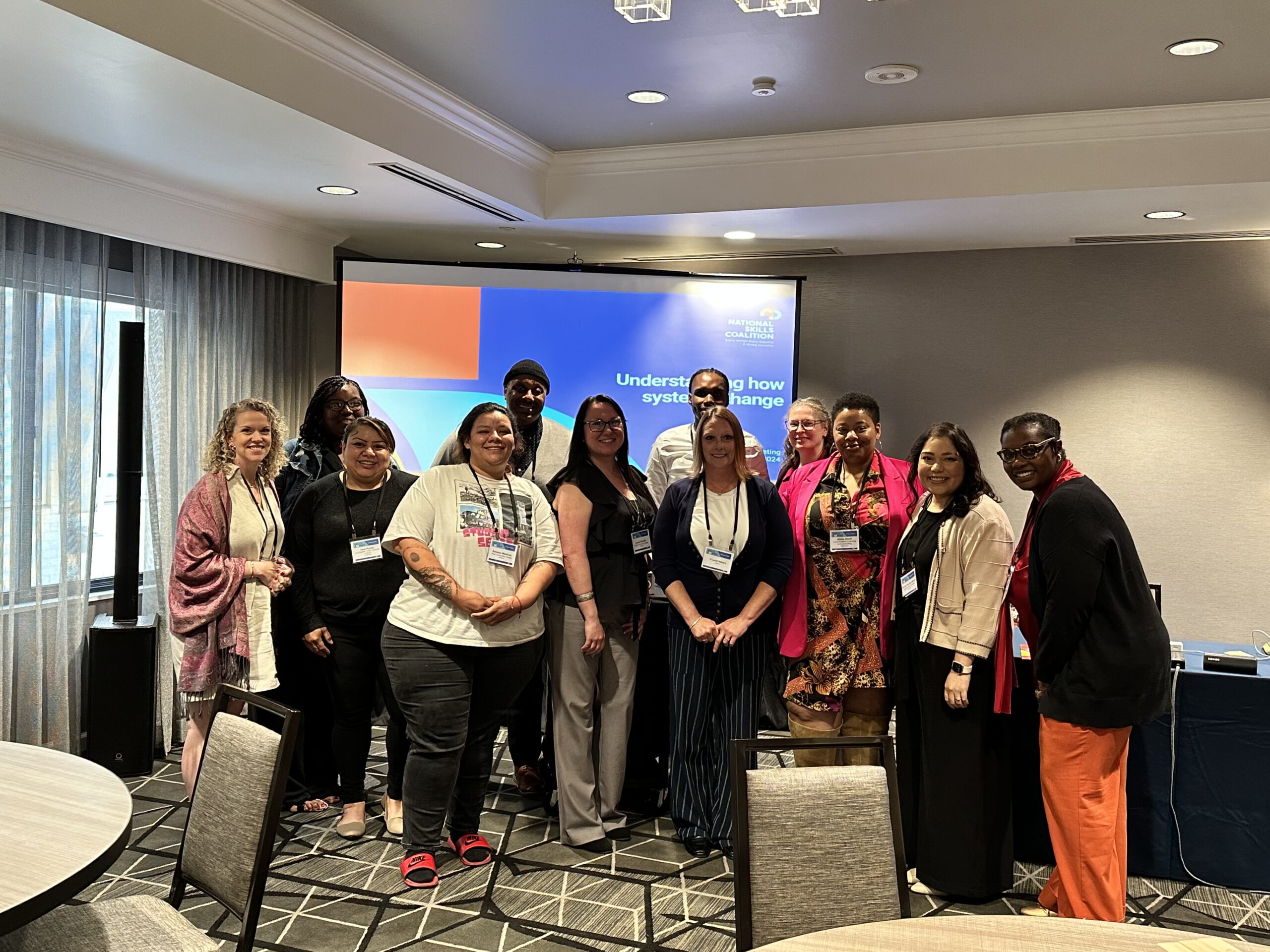
The council included eight current and former students who are now (or have been) enrolled in career-focused training programs and pathways at community or technical colleges. During their time as council members, they shared their experiences navigating these programs while balancing work, family, and life. Their perspectives and insights informed policy solutions aimed at improving access to and completion of quality postsecondary skills training programs. Their main objective was to co-develop student-centered policy recommendations that address the unique challenges and aspirations of individuals navigating these educational pathways.
This experience has been eye-opening for me and for National Skills Coalition. One of the clearest lessons we learned is that supporting workers and learners to participate meaningfully in this kind of work takes real investment. It requires time, money, patience, and thoughtful structure. It’s not enough to invite workers and learners into a space; you have to ensure they can show up fully – without sacrificing their education, income, or family responsibilities.
Council members were balancing school, jobs, caregiving and more, so we had to be flexible and responsive. There were times when members joined meetings straight from work or had to step away to handle family responsibilities. We would adjust agendas and timelines when needed to make clear that their participation didn’t require choosing between this work and the rest of their lives. We also provided stipends to signal that we valued their time and expertise in the same way we value other partners in our network.
We also learned that transparency and trust were pivotal to this work. Workers and learners want to understand why their voices are being invited into the process and how their input will be used. Being open about goals, expectations, and timelines helped build trust and made the work feel real and meaningful. Throughout the experience we asked for feedback at every stage and created space for questions and conversation. Their insights and perspectives shaped the final product in direct and intentional ways.
This experience showed us that meaningful engagement goes beyond policy or research. Creating spaces where people feel seen, supported, and valued as whole human beings helped build trust and community. Over time, our meetings became more than structured conversations. Council members checked in on one another, shared advice and built relationships that overall made the work stronger. That sense of connection played a pivotal role in helping them stay engaged.
Many of the same logistical challenges that council members faced to participate in council are also the same challenges they face in accessing and completing their training programs – and they came up repeatedly when they shared insights and in our workforce policy conversations.
The council’s impact on NSC has been significant. During their time, members co-developed a student-centered brief with policy recommendations that were informed by their lived experiences. They spoke on the main stage and in breakout session panels at NSC’s Skills Summit, offered testimony in congressional hearings, served as panelists at national conferences, appeared on podcasts, wrote articles, and shared their experiences directly with policymakers on Capitol Hill.
These engagements ensured that student perspectives weren’t just heard – they actively shaped how policymakers, partners, and advocates understood the realities of skills training. Their contributions helped deepen understanding of how skills training actually works – and what’s needed to improve the system.
As this cohort wraps up its two-year journey, we wanted to take time to reflect on the foundation this group has helped build. Their leadership, insight, and willingness to show up with honesty and care have had a tremendous impact on NSC’s work and on how we think about worker and learner voice, advocacy and systems change. Their voices continue to reinforce the importance of centering lived experience in our advocacy and policy work.
Early next year, we will begin a new chapter by bringing together another group of leaders to build on what the first cohort started. The next council will expand our efforts to engage workers and learners, including the opportunity to co-develop and carry out a research project. This will open new possibilities for how we incorporate student and worker insights into our advocacy and policy work. We’re deeply grateful for the impact of this first group and excited to carry this work forward.
It has been an honor to work alongside this group and to see firsthand why workers and learners must help shape solutions that affect their lives. Getting to know this group and seeing the value they brought to our network has been one of the most meaningful parts of my role at NSC. I’ve come to understand more clearly than ever that people deserve real power in the decisions that impact their futures. I think that belief is captured in a phrase long used by disability rights and social justice movements that I hold close: nothing about us without us is for us. It reminds us that policies are strongest when informed by the people most affected by them. We’re committed to ensuring that workers and learners remain central to our efforts moving forward.