Last fall, National Skills Coalition (NSC) published a research brief sharing what we learned from thirty-four people who participated in skills training as a route to achieving their career, education, and economic goals. Their experiences and reflections on what worked (and what didn’t) have important implications for how policy must evolve to more effectively expand access to good jobs and opportunities for career advancement.
As states, institutions, and federal policy leaders work to ensure businesses have the talent they need to fill jobs and people have opportunities to build in-demand skills, keeping these policy implications—which stem directly from the lived experiences of learners and workers—front of mind will be essential.
This blog highlights examples of select state policies that reflect the recommendations from NSC’s Looking for Certainty research. Replicating, adapting, and scaling these examples would help ensure public investments in skills training—including Workforce Pell—are effectively leveraged to advance shared prosperity.
NSC’s conversations with skills training participants uncovered key elements that are fundamental to programs that help people achieve their career goals. Those elements include financial aid to help people afford tuition, paid work-based learning to help people gain hands-on experience, and holistic supports that address childcare and transportation challenges, among others.
Some states have implemented policies to make these elements a reality for workers and learners. These examples illustrate how others can implement similar approaches to expand access to and success in skills training programs.
When programs are affordable or free, people can instead make their decisions about training based on factors that more meaningfully affect whether they achieve their career and education goals, such as employment rates and earnings outcomes.
The Virginia Get Skilled, Get a Job, Give Back Program (G3) works to make sure people can access high-quality training that leads to in-demand jobs without a significant cost barrier. G3 helps people with low and middle incomes cover the cost of programs leading to credentials in high-demand sectors, including education, healthcare, information technology, public safety, manufacturing and skilled trades, and hospitality and culinary arts.
G3 supports students’ pursuit of short-term credit and noncredit programs that can stack to career studies certificates and associate degrees. It primarily covers tuition and fees, but eligible students may receive a student support incentive grant of up to $900 per semester and up to $450 for the summer term. This grant may be used to cover other costs related to attendance such as food, transportation, and child care that might present barriers to enrollment and completion.
Learners and workers who invest time and resources in skills training need clear, transparent information on the quality of skills training programs and the credentials they result in to know which ones will help them meet their goals and bring a strong return on their investment. This is especially true for women, people of color, people impacted by the justice system, people with low incomes, and others who haven’t been served well by the postsecondary education system.
In New Jersey, My Career NJ helps people explore their options for training and careers, including information about the costs, employment prospects, and earnings they can expect. The website includes tools like NJ Training Explorer, which provides information about specific programs approved for the state’s Eligible Training Provider List under WIOA. This information includes the total cost of the program with a breakdown of costs associated with enrolling, whether a particular program leads to an in-demand job, and a Consumer Report Card, which provides data on employment rates and earnings six and twelve months after completion.
NSC’s research made clear that programs with strong employer partnerships are more effective at helping people get jobs. Skills training participants expressed a desire for more direct links to jobs—such as opportunities for internships or warm handoffs to employers hiring in their field of choice.
This echoes what NSC heard in separate research with seventy-five small and midsized businesses. They told us that having stronger relationships and communication with education providers gave them a better understanding of the skills and competencies conferred by skills training programs and greater trust in the credentials on people’s resumes.
In Ohio, employers and education providers are partnering to ensure workers and learners can build the skills needed to fill open jobs and grow the state’s economy. Ohio’s Industry Sector Partnership Grant Program provides grant funding to support regional industry coordination and collaboration, including among business, education and training providers, and community stakeholders.
One grant recipient, Mahoning Valley Manufacturers Coalition, brings together small and midsized manufacturers and local education partners to inform training, share resources, and implement strategies. This work ensures that jobseekers in their three-county region can get the skills they need to meet local business needs and get into good manufacturing jobs.
Opportunities for—ideally, paid—work-based learning, like internships or externships, can build bridges from training to employment. Skills training participants who had the opportunity to do work-based learning told NSC that these opportunities were invaluable in helping them gain experience required by potential employers. In contrast, people who had not had that opportunity talked about how their lack of hands-on experience made it much harder to get hired.
To increase the availability of work-based learning opportunities, many states are providing funding or incentives to employers. For example, Louisiana passed a new version of its Work-Based Learning Tax Credit, through which eligible employers receive an income tax credit for each eligible student they hire as an intern, apprentice, or youth worker (young people who meet one of a variety of requirements, such as receiving SNAP benefits, being homeless, or living in public housing).
Virginia is also investing in increasing the availability of paid work-based learning. The state is launching InternshipsVA with $14.5 million in annual state funding to provide grants to small and midsized businesses that match half of wages paid to undergraduate interns. Expanding programs like these to more students, including people participating in skills training, would have a major impact on their success in the labor market.
Skills training participants told NSC that the process of finding out about training programs and career pathways was hit-or-miss. Without a centralized source of information about available opportunities, they instead fell back on online searches and informal recommendations from friends and family. They used this information to identify potential occupations to pursue, figure out which organizations offered relevant training, and learn what kind of wages they could expect to earn after graduation.
States can help solve this challenge by investing in practical tools to support individual jobseekers and the organizations and advisors that guide them.
For example, My Colorado Journey is website that brings together data and resources from four Colorado state agencies. It allows students, workers, and career advisors to learn about in-demand occupations in the state and then see which local schools and organizations offer relevant training, how much it costs, and what workers can expect to earn.
A different resource is provided by Alabama Talent Triad which offers a centralized location for workers to track their credentials and see how those credentials connect to in-demand jobs. This digital “skills passport” is intended to make it easier for people to carry credentials with them as they change jobs and move along a career pathway.
Helping people afford the range of costs they experience while pursing education and training, such as transportation, child care, food, housing, and health care, reduces pressure to choose a program based on how cheap and/or short it is and allow them to focus instead on whether it would help them achieve their goals.
Michigan is intentionally supporting people in workforce training to meet their holistic needs. In 2021, the state launched the Barrier Removal Employment Success (BRES) program, which works to get underrepresented people in Michigan into jobs and remove barriers to long-term, meaningful employment. The program supports job seekers participating in state workforce education and training programs, where existing supports are limited.
Support from BRES can include, for example, helping returning citizens expunge their criminal records, supporting the child care needs of parents in training programs, and assisting with buying a car or purchasing car insurance. The BRES funding source allows local workforce boards and other grantees to alleviate barriers for the people they serve and distribute funding based on where they see the greatest need.
Putting lived experience at the center of policymaking is essential to ensuring people have the tools, resources, and opportunities to thrive. NSC is honored that so many people who have invested in skills training shared their expertise, experiences, and recommendations for policy change with us through this research. Read more about what they had to say in the full Looking for Certainty report.
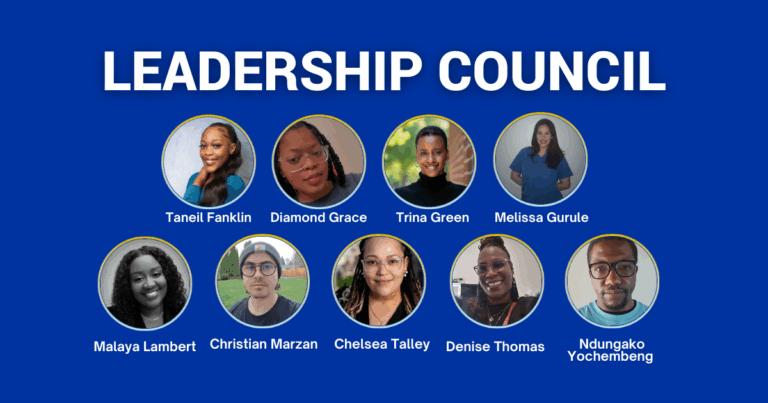
We are committed to centering the lived experiences of workers, students, and other learners in NSC’s work to spark policy and systems change, through research and through NSC’s Voices for Skills Network. Stay tuned for more worker- and learner-centered policy insight from the second cohort of the Voices for Skills Leadership Council, which will both inform and conduct research to further dig into where policy must transform to more reliably deliver for working people.