At this year’s Skills Summit, National Skills Coalition officially launched the first phase of A New Promise of Work – a multi-year initiative uniting workers, students, businesses, and policymakers to advance a bold workforce vision – one where everyone has a fair shot at real economic opportunity, no matter where they’re from.
The launch was the beginning of a national listening and engagement process grounded in a simple but urgent idea: workforce development can no longer be treated as a “second chance” system; it must be a first-choice investment in our economy that strengthens people, businesses, communities, and the broader economy.
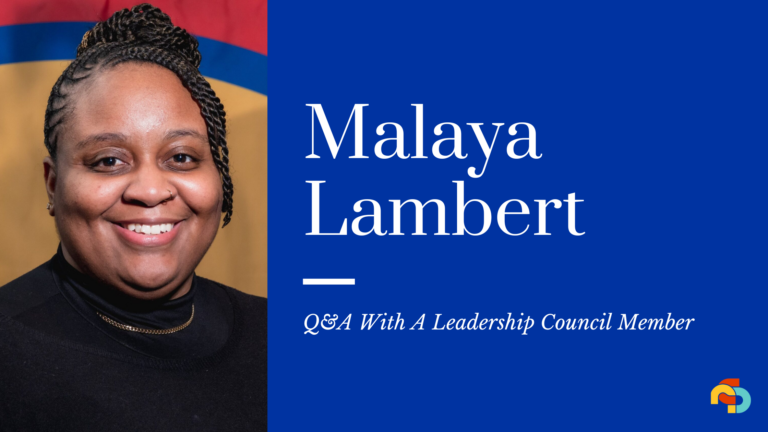
We’ve already begun engaging with workers, practitioners, advocates, employers, and leaders. At the Summit, NSC convened a new Advisory Council made up of leaders from workforce, education, business, labor, and philanthropy. And we held interactive listening sessions with Summit attendees, including workforce practitioners; leaders from community colleges, labor, and community-based organizations; employers, students, workers, and funders.
From the first Advisory Council meeting and the Skills Summit interactive listening session, five themes emerged:
Over the next few months, in partnership with workforce and economic development, higher education, and advocacy leaders, regional chambers of commerce, and business and industry leaders and NSC will host a series of in-person events and virtual conversations in twenty states. In-person events will occur in Alabama, California, Iowa, Massachusetts, New Jersey, New Mexico, Ohio, Texas, and West Virginia.
These events will explore how workforce investments, opportunity, and economic mobility intersect in their communities – big or small, urban, or rural. The goal is twofold: first, to surface experiences, challenges, and solutions looking towards a vision of what an ecosystem would look like that allows people to pursue economic mobility and while also meeting the needs of local economies and communities overall from those closest to the work. Second, to inform storytelling focused on how public investments can support students, workers, businesses, and regional economies.
Through this work, we are gathering insights from workers, learners, employers, training providers, and community leaders to help shape forward-looking storytelling and a workforce policy agenda grounded in real-world experience and practical solutions.
The conversations that began at Skills Summit made one thing clear: the current workforce system is not meeting the scale of today’s economic challenges or opportunities. A New Promise of Work is about building a stronger vision for what workforce policy can and should deliver for workers, businesses, and communities.
Make sure to sign up for our email updates to continue receiving insights we’re learning through this work.